ex nihilo nihil
| | | |

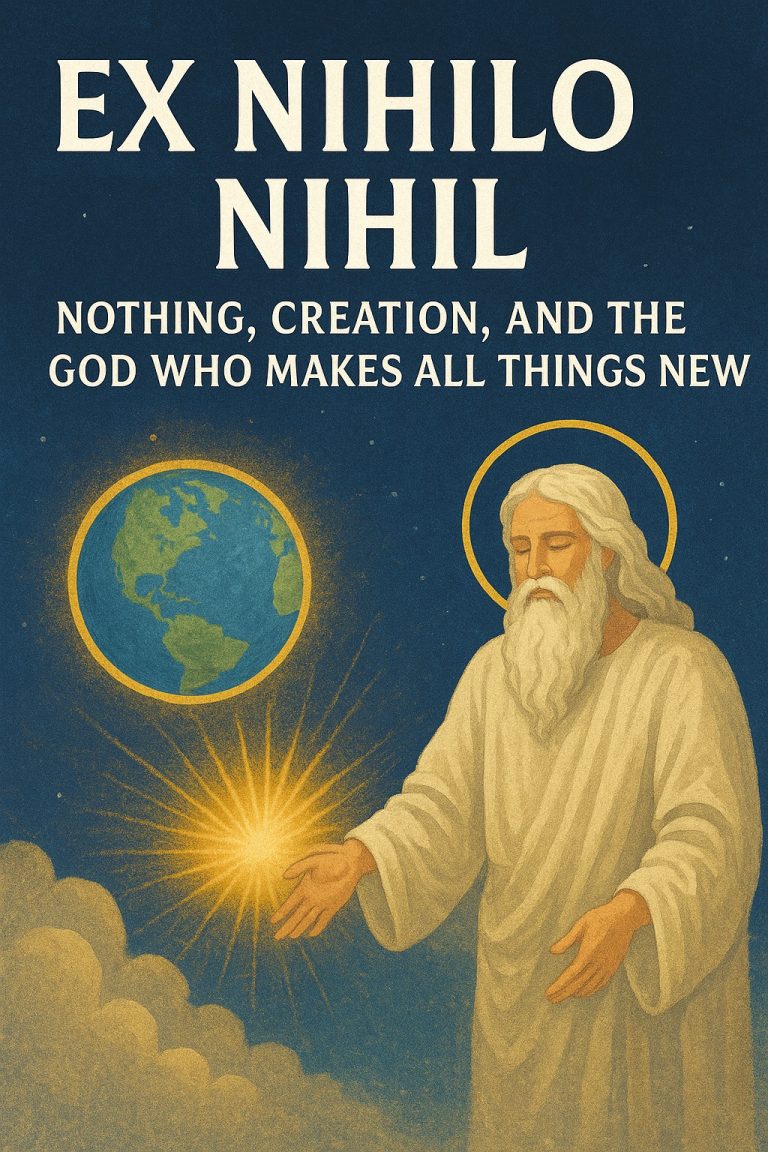
Ex Nihilo Nihil: Nothing, Creation, and the God Who Makes All Things New

Introduction The ancient axiom ex nihilo nihil fit—”from nothing, nothing comes”—stands as one of the most enduring principles in the history of Western thought. First articulated by Parmenides and later refined by Lucretius, Aristotle, and countless others, this principle asserts that being cannot emerge from non-being, that every effect requires a cause, that the universe…

What is more powerful: God or quantum computing
| | |

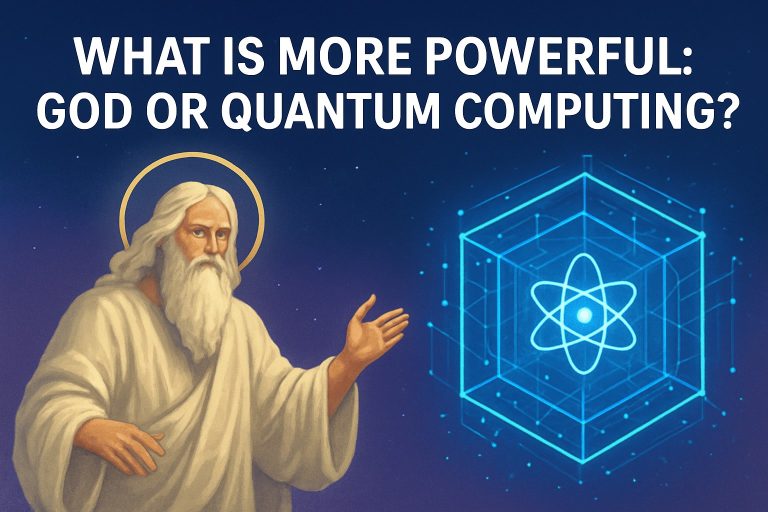
What Is More Powerful: God or Quantum Computing?

At first glance, this question might seem to invite an obvious answer—or perhaps no answer at all. Comparing the power of God to a technology feels like asking whether love is heavier than a mountain, or whether justice is faster than a cheetah. These are concepts that occupy different categories of existence entirely. Yet the…

Relativity, Quantum Entanglement, and the Search for Unity: Contradiction or Hidden Connection?
| |

Relativity, Quantum Entanglement, and the Search for Unity: Contradiction or Hidden Connection?

In the grand tapestry of modern physics, two threads stand out as cornerstones of our understanding of the universe: Einstein’s theory of relativity and the principles of quantum mechanics. These two frameworks, however, appear to be at odds when we examine certain phenomena—most notably, quantum entanglement. The apparent contradiction between the deterministic, local nature of…

Walking in the Spirit and Not in the Flesh: A Reflection in Light of Modern Science
| |

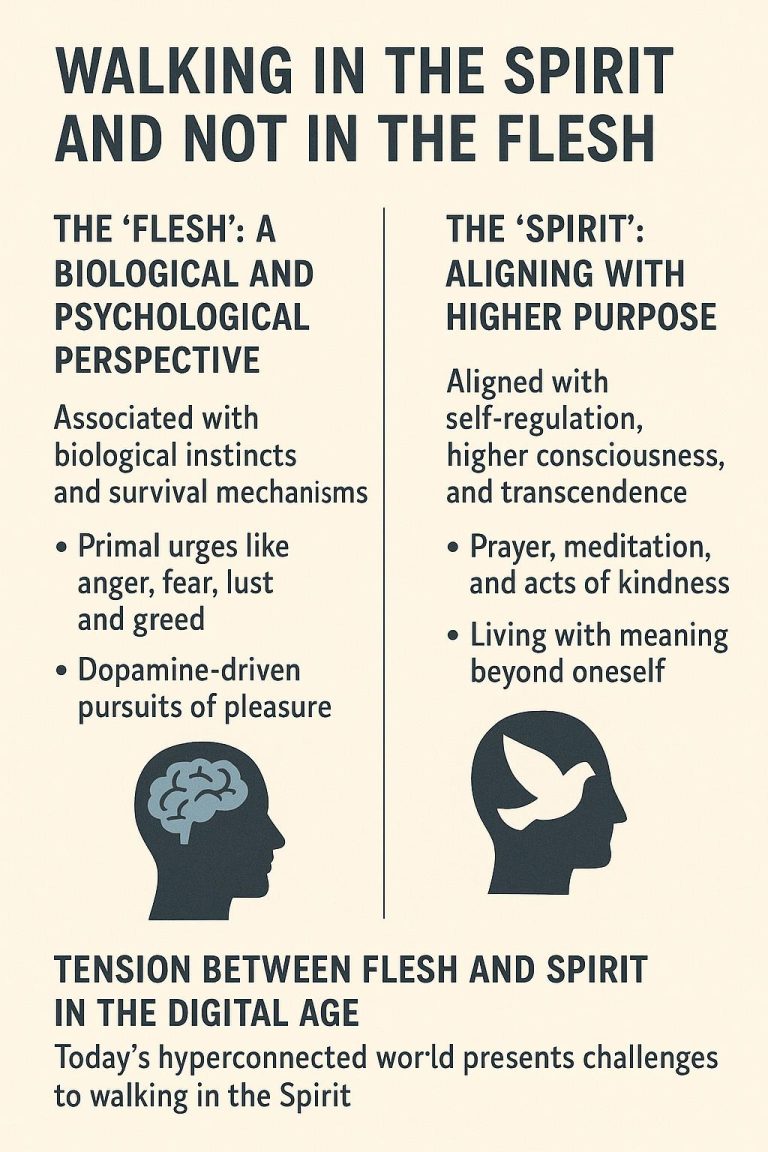
Walking in the Spirit and Not in the Flesh: A Reflection in Light of Modern Science

In the pages of Scripture, the Apostle Paul presents a profound contrast between two ways of living: “walking in the Spirit” and “walking in the flesh” (Galatians 5:16–26; Romans 8:1–14). While these concepts were penned almost two millennia ago, they resonate deeply even in our modern, science-driven age. As we explore these timeless truths, we…

The Ring Parable, Modern Science and Jesus: A Christian Reflection on “Das Amulett”
| |

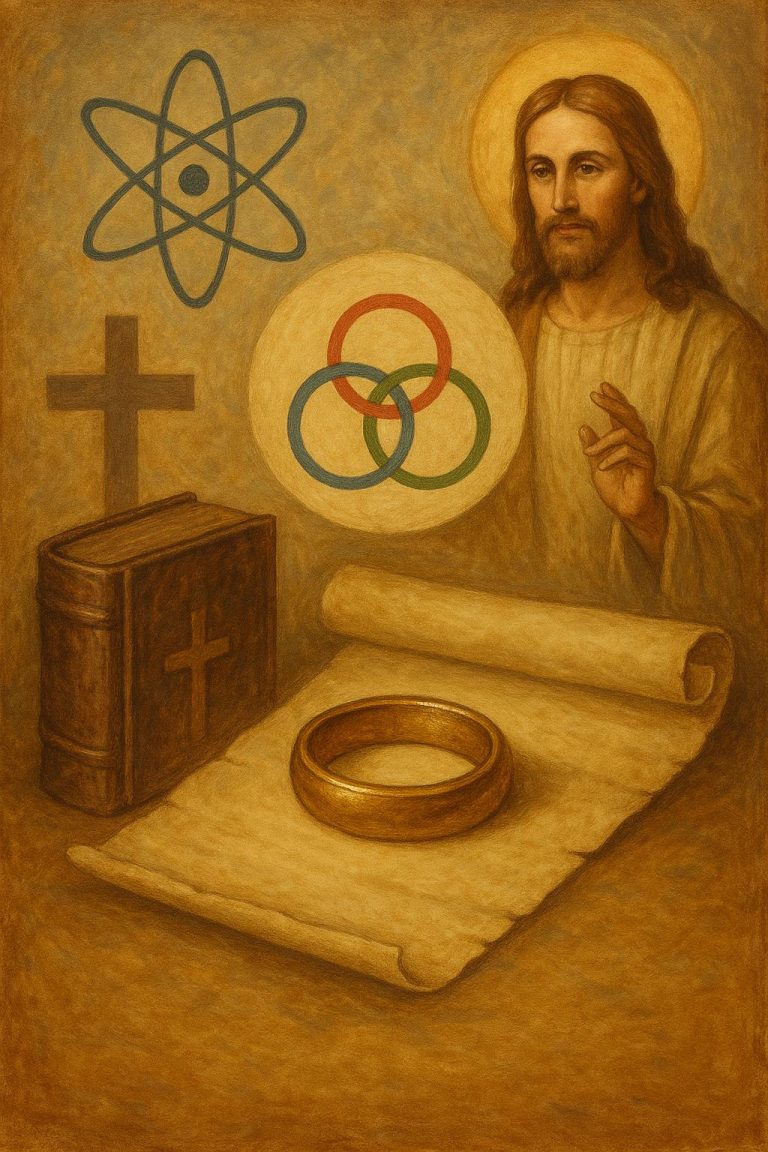
The Ring Parable, Modern Science and Jesus: A Christian Reflection on “Das Amulett”

Conrad Ferdinand Meyer’s novella Das Amulett (1873) is a powerful literary meditation on faith, conflict, and human dignity, set during one of the darkest chapters of Christian history: the St. Bartholomew’s Day Massacre. Amid the horror of Catholics slaughtering Protestants in 16th-century France, Meyer introduces a glimmer of hope in the form of an amulet—a…

A Comparison of Goethe’s Worldview and the Christian Worldview in John 14:6
| | | |

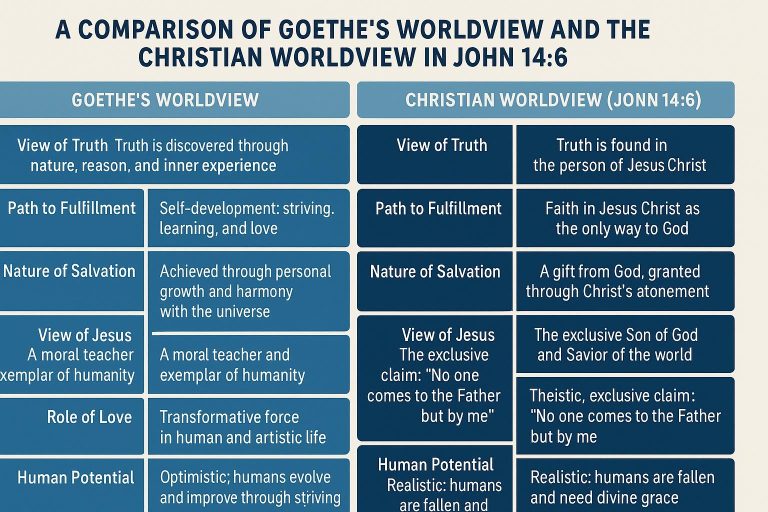
A Comparison of Goethe’s Worldview and the Christian Worldview in John 14:6

The contrast between Johann Wolfgang von Goethe’s worldview and the Christian worldview, particularly as expressed in John 14:6, highlights two fundamentally different perspectives on truth, human purpose, and the nature of salvation. Goethe, the German poet, scientist, and philosopher of the Enlightenment and Romantic era, developed a humanistic and nature-centered view of life. In contrast,…

Redemption and Salvation Without God’s Power: A Fallacy
| | |

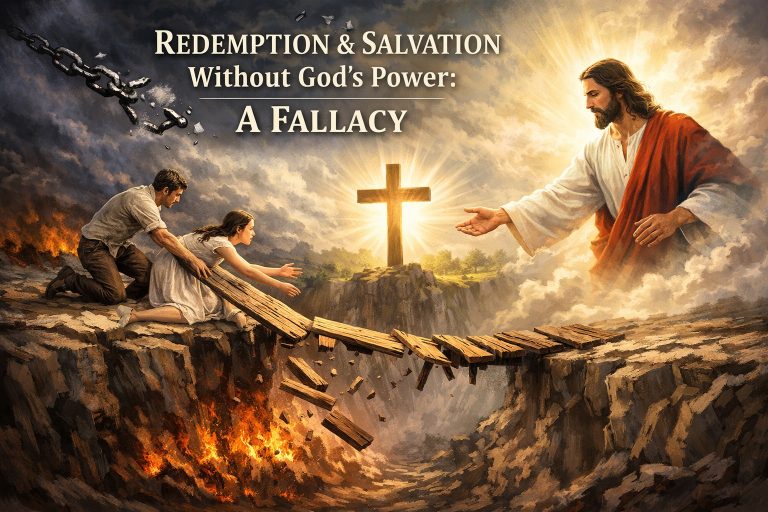
Redemption and Salvation Without God’s Power: A Fallacy

The idea that humanity can achieve redemption and salvation apart from the power of God is a dangerous and deceptive fallacy. While human efforts toward moral reform, justice, and societal progress may seem noble, they fall drastically short of addressing the root problem of the human condition: sin. According to the Christian worldview, and as…

The Timelessness of Jesus Christ
| |

The Timelessness of Jesus Christ

Jesus Christ stands as a figure both within and beyond time. Though He appeared in human history—born in Bethlehem, walking the dusty roads of Galilee, and crucified under Pontius Pilate—His nature is not limited to temporal existence. He is eternal. In John 8:58, Jesus declares, “Before Abraham was, I am.” With this profound statement, He…

The Interconnection of Goethe’s Faust II and Modern Artificial Intelligence
| |

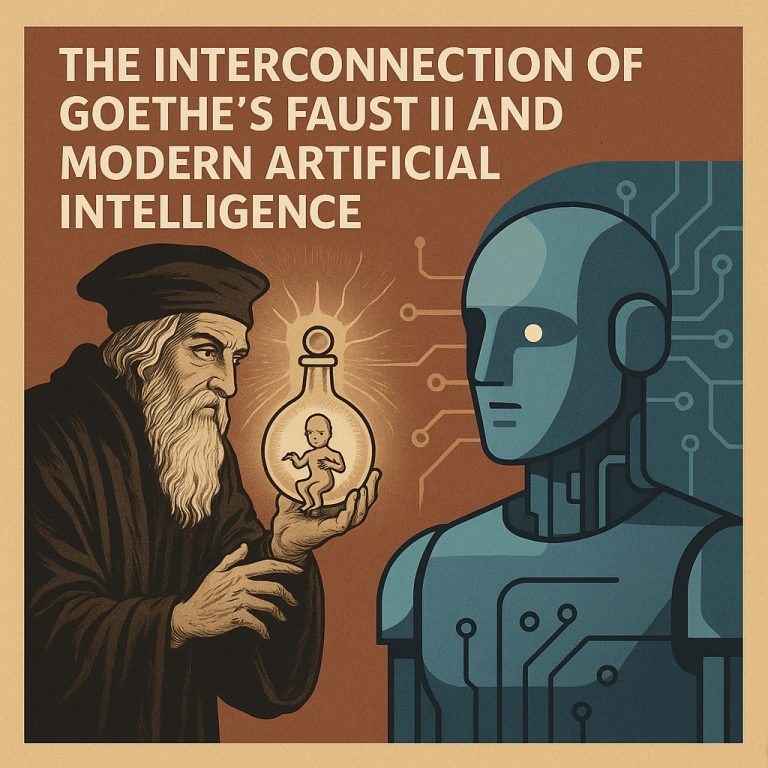
The Interconnection of Goethe’s Faust II and Modern Artificial Intelligence

Faust’s Quest for Ultimate Knowledge Johann Wolfgang von Goethe’s Faust II is a masterwork of philosophical and poetic depth, stretching the limits of human ambition, knowledge, and creativity. While the play was completed in the early 19th century, its themes resonate profoundly with one of the most transformative forces of the 21st century: artificial intelligence…

From What Point is Intelligence Consciousness?
|

From What Point is Intelligence Consciousness?

Introduction The distinction between intelligence and consciousness is a philosophical, scientific, and technological puzzle that has sparked debate for centuries. Intelligence, generally defined as the ability to learn, reason, and solve problems, is now increasingly seen in machines and artificial systems. Consciousness, on the other hand, involves subjective experience—what it is like to feel, to…