ex nihilo nihil
| | | |

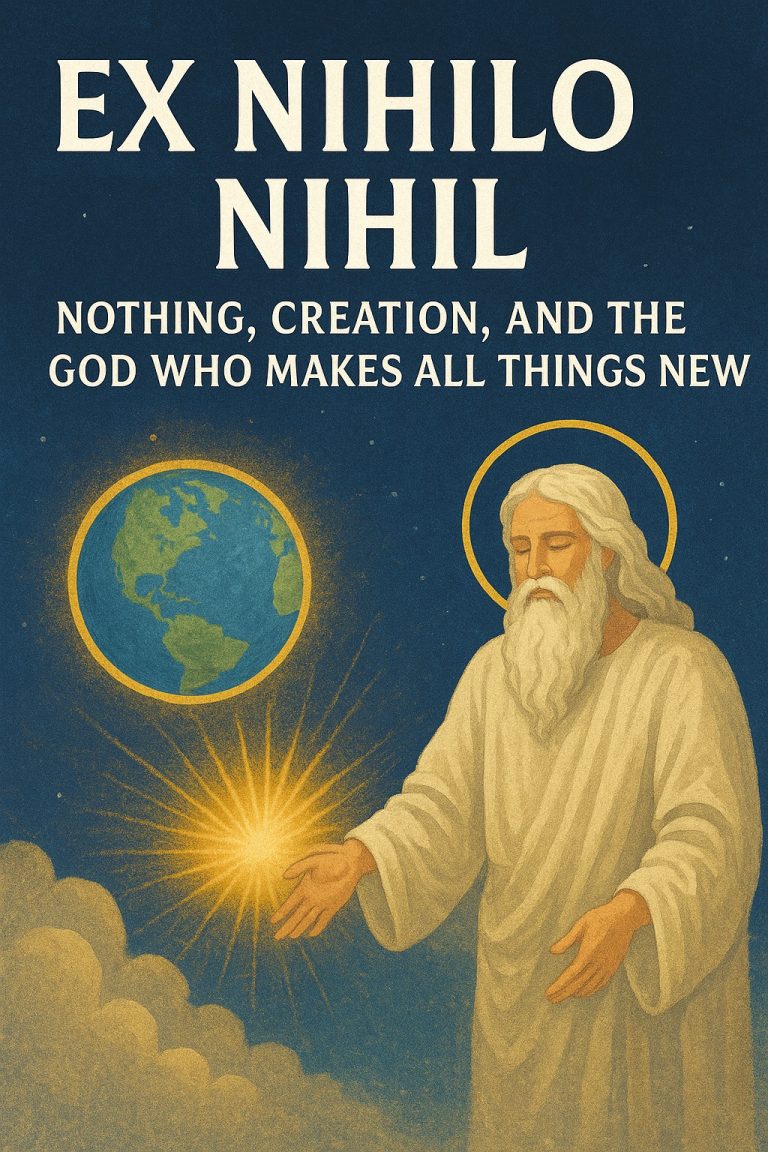
Ex Nihilo Nihil: Nothing, Creation, and the God Who Makes All Things New

Introduction The ancient axiom ex nihilo nihil fit—”from nothing, nothing comes”—stands as one of the most enduring principles in the history of Western thought. First articulated by Parmenides and later refined by Lucretius, Aristotle, and countless others, this principle asserts that being cannot emerge from non-being, that every effect requires a cause, that the universe…
Walking in the Spirit and Not in the Flesh: A Reflection in Light of Modern Science
| |

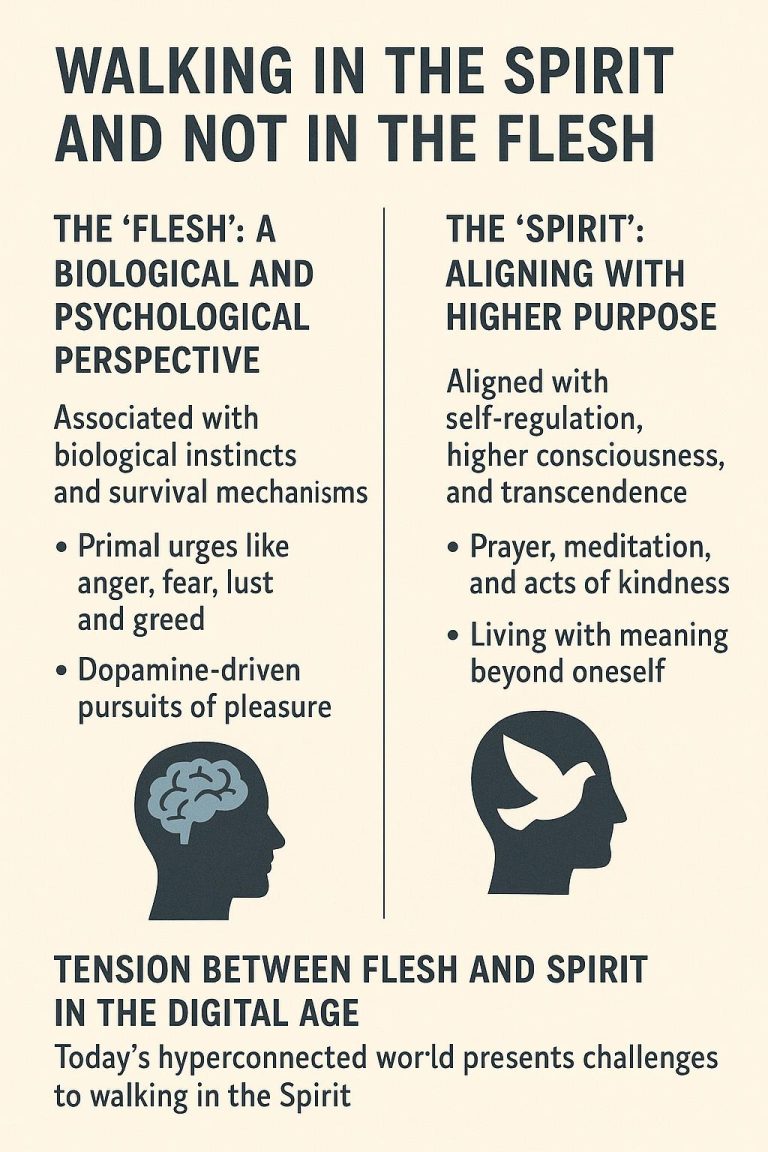
Walking in the Spirit and Not in the Flesh: A Reflection in Light of Modern Science

In the pages of Scripture, the Apostle Paul presents a profound contrast between two ways of living: “walking in the Spirit” and “walking in the flesh” (Galatians 5:16–26; Romans 8:1–14). While these concepts were penned almost two millennia ago, they resonate deeply even in our modern, science-driven age. As we explore these timeless truths, we…

matter and spirit
| | |

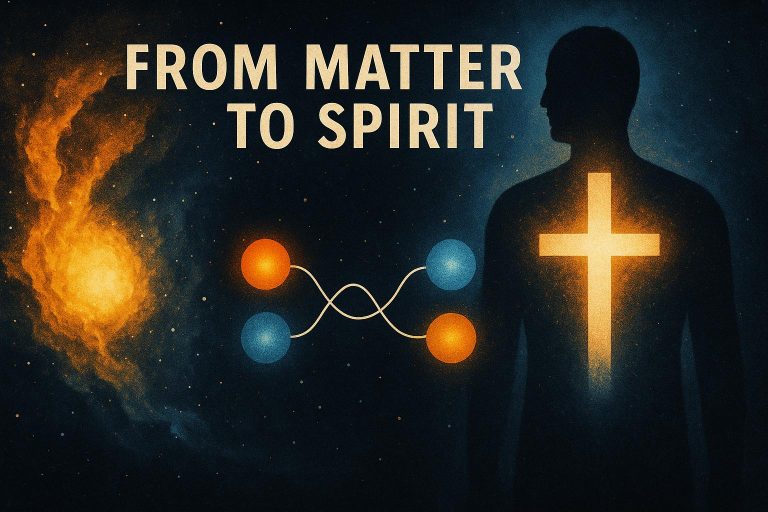
From Matter to Spirit: Are They Completely Separated or Entangled Like in Quantum Physics?

In the quest to understand reality, humanity has often drawn a line between the material and the spiritual. Matter is seen as physical, measurable, and governed by the laws of nature. Spirit, on the other hand, is often considered immaterial, invisible, and elusive to scientific investigation. But is this dualism justified? Or might there be…

quantum entanglement and the cross
| | | |

Quantum Entanglement and the Christian Faith: Insights from the Deep Structure of Reality

In the early 20th century, quantum physics revolutionized our understanding of the universe, revealing a world that behaves in ways radically different from classical expectations. One of the most astonishing phenomena discovered is quantum entanglement—a mysterious connection between particles that allows them to affect one another instantaneously, even across vast distances. Einstein famously called it…

big bang and the cross
|

The Beginning of the Universe and the Christian Faith: A Dialogue Between Science and Belief

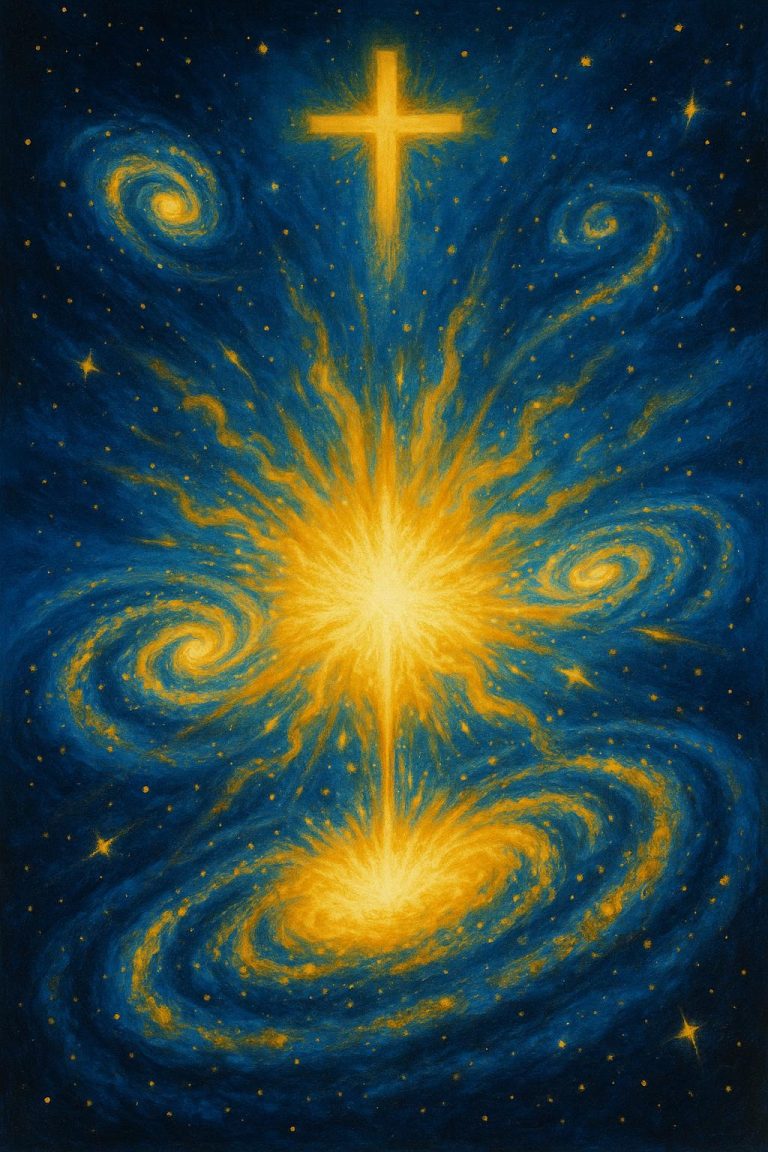
The question of how the universe began has captivated scientists, philosophers, and theologians for centuries. Modern cosmology, through the Big Bang theory, presents a scientific model suggesting that the universe had a definite beginning around 13.8 billion years ago, from a singularity—a point of infinite density and temperature. This concept, though grounded in mathematical physics,…

A Comparison of Goethe’s Worldview and the Christian Worldview in John 14:6
| | | |

A Comparison of Goethe’s Worldview and the Christian Worldview in John 14:6

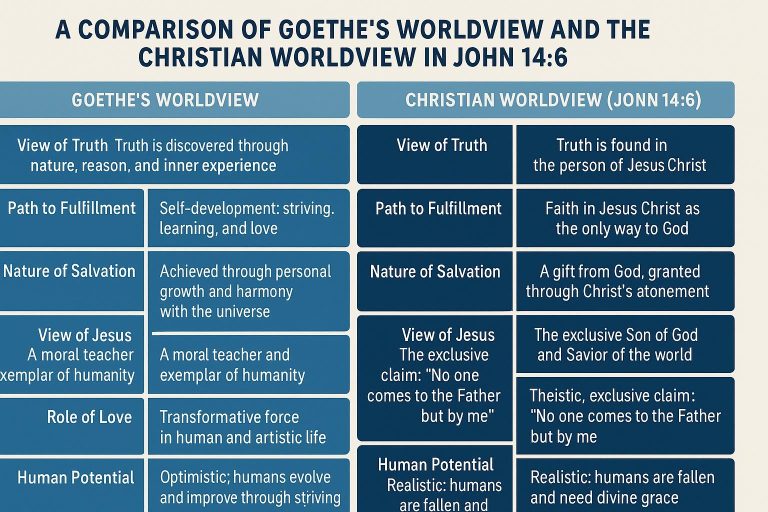
The contrast between Johann Wolfgang von Goethe’s worldview and the Christian worldview, particularly as expressed in John 14:6, highlights two fundamentally different perspectives on truth, human purpose, and the nature of salvation. Goethe, the German poet, scientist, and philosopher of the Enlightenment and Romantic era, developed a humanistic and nature-centered view of life. In contrast,…

Redemption and Salvation Without God’s Power: A Fallacy
| | |

Redemption and Salvation Without God’s Power: A Fallacy

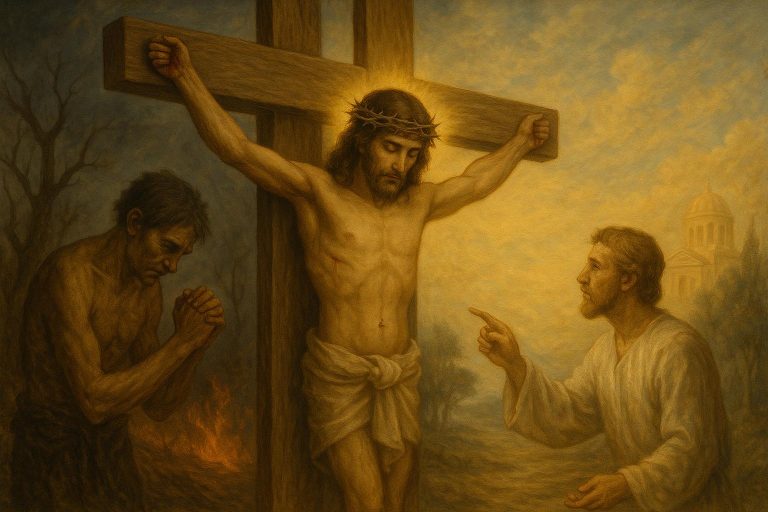
The idea that humanity can achieve redemption and salvation apart from the power of God is a dangerous and deceptive fallacy. While human efforts toward moral reform, justice, and societal progress may seem noble, they fall drastically short of addressing the root problem of the human condition: sin. According to the Christian worldview, and as…

The Gospel in the Stars
| |

The Gospel in the Stars: Echoes of Redemption Written in the Night Sky

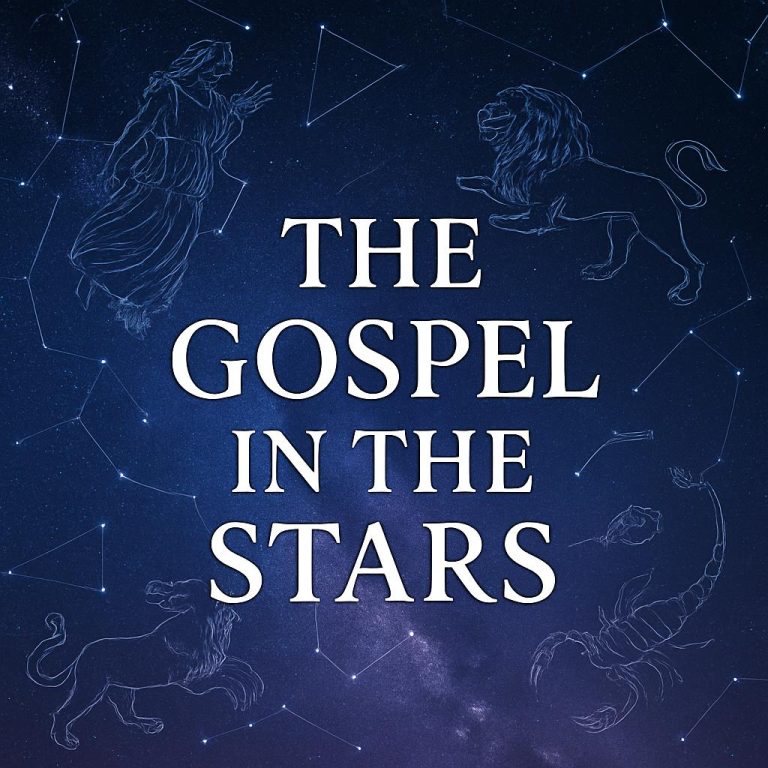
“The heavens declare the glory of God…” – Psalm 19:1(See also Genesis 1:14, Job 38:31–32, and Isaiah 40:26) In their thought-provoking book „Das Evangelium am Himmel“, Swiss authors Roberto and Manuela Vitali present a compelling and biblically grounded case: the night sky is not just majestic—it’s evangelistic. Rather than viewing constellations as mystical symbols for…

The Heavens declare the glory of God
| |

The Heavens Declare the Glory of God: A Cosmic Testimony

“The heavens declare the glory of God; the skies proclaim the work of his hands.”— Psalm 19:1 (NIV) For millennia, humanity has looked up at the stars with a sense of awe, curiosity, and worship. The psalmist David, writing long before telescopes or star charts, captured a timeless truth: the universe speaks—not in words, but…

Gap between modern science and Christian theology
| | |

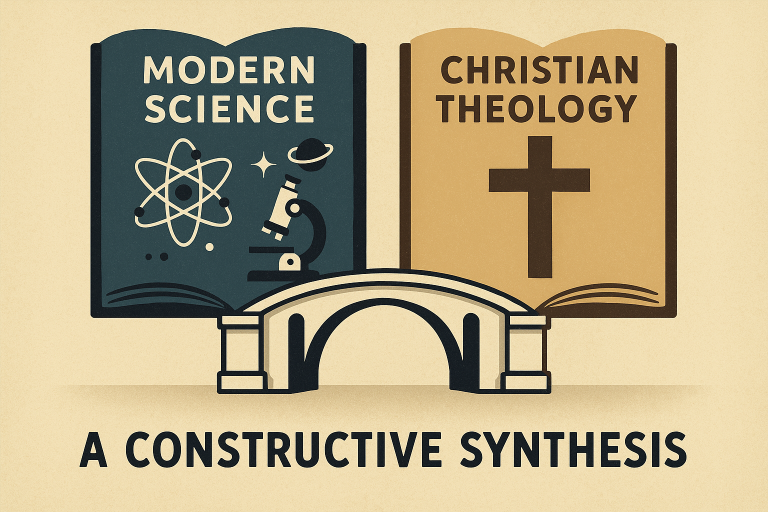
The Gap Between Modern Science And Christian Theology

The gap between modern science and Christian theology has long been a subject of both conflict and dialogue. This divide often stems from differing methodologies, worldviews, and sources of authority. However, rather than being irreconcilable, science and theology can be understood as complementary approaches to truth, each offering unique insights into the nature of reality….