The Gap Between Modern Science And Christian Theology
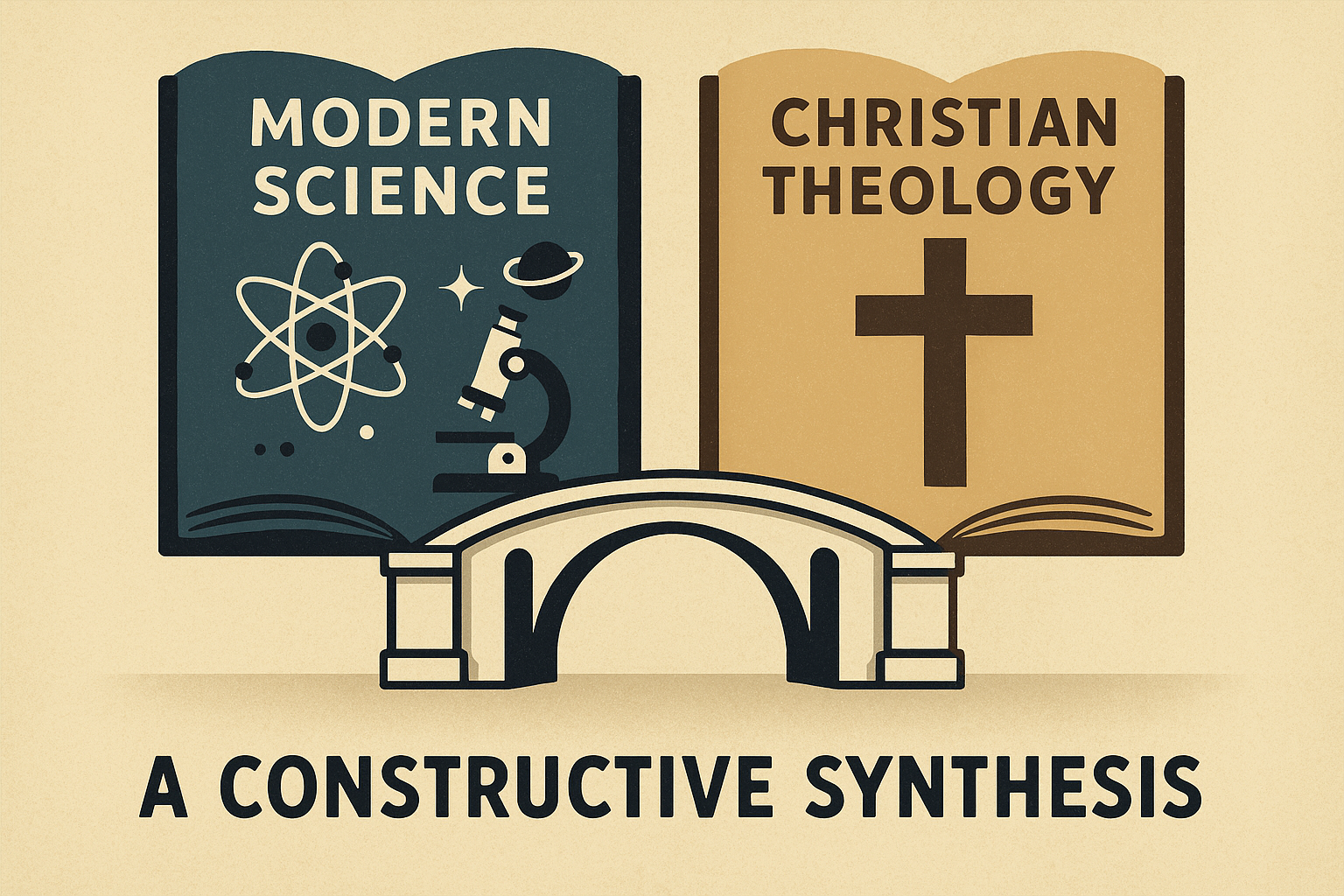
The gap between modern science and Christian theology has long been a subject of both conflict and dialogue. This divide often stems from differing methodologies, worldviews, and sources of authority. However, rather than being irreconcilable, science and theology can be understood as complementary approaches to truth, each offering unique insights into the nature of reality.
The Nature of the Gap
- Methodological Differences
Science is empirical and relies on observation, experimentation, and falsifiability. It deals with what can be measured and tested. Theology, particularly Christian theology, relies on divine revelation, Scripture, tradition, and spiritual experience. Its claims often concern metaphysical realities beyond empirical observation. - Origins of the Universe and Life
One of the most contested areas is the origin of the universe and human life. The scientific consensus supports the Big Bang theory and evolution through natural selection, while some Christian interpretations (particularly literalist ones) hold to a young Earth and special creation. This apparent contradiction fuels ongoing debate. - Purpose vs. Mechanism
Science explains the “how” — the mechanisms behind natural phenomena — while theology often seeks to answer the “why” — questions of purpose, meaning, and value. When these different kinds of questions are confused or forced into the same framework, conflict arises. - Authority and Certainty
Modern science emphasizes continual revision and the provisional nature of knowledge. In contrast, theology (especially in traditional forms) often holds to eternal truths based on divine authority. This difference can create tensions regarding what counts as “true” or “reliable.”
Pathways Toward Integration
- Complementarity
A widely accepted solution is the “two books” metaphor — the idea that God reveals Himself both in the book of Scripture and the book of Nature. When properly understood, these books cannot ultimately contradict because they share the same divine Author. Misinterpretations in either domain can lead to false conflict. - Non-Overlapping Magisteria (NOMA)
Stephen Jay Gould proposed that science and religion occupy “non-overlapping magisteria” — that is, they address different kinds of questions. Science deals with empirical facts; religion deals with meaning and values. This can help avoid unnecessary conflict, although critics argue that some overlap does occur (e.g., in ethics or cosmology). - Theistic Evolution and Cosmology
Many theologians and scientists now accept theistic evolution, the view that God used evolutionary processes to bring about life. Similarly, Christian thinkers like John Polkinghorne and Francis Collins have argued that the fine-tuning of the universe and the laws of physics can be understood as evidence of divine purpose, not contradiction. - Dialogue and Interdisciplinary Study
Creating platforms for ongoing dialogue between theologians, scientists, and philosophers helps bridge misunderstandings. Institutions like the Faraday Institute and BioLogos actively promote such exchanges. - Epistemological Humility
Both domains benefit from humility — recognizing the limitations of human knowledge. When scientists acknowledge the metaphysical assumptions underlying their work, and theologians appreciate the rigor and achievements of science, mutual respect can grow.
A Constructive Synthesis
A fitting together of modern science and Christian theology might look like this:
- God is the Creator and Sustainer of the universe, working through consistent natural laws, which science can study.
- Science explores God’s creation, revealing the intricate beauty and order of the cosmos, which can inspire theological reflection and worship.
- Theology provides ethical guidance, purpose, and ultimate meaning that science cannot offer on its own.
- Human beings are both biological and spiritual, made in the image of God but also shaped by evolutionary history. This dual understanding enriches our view of human dignity and responsibility.
Conclusion
The gap between science and Christian theology is real but bridgeable. With a commitment to truth, humility, and open dialogue, both can contribute to a richer, more complete understanding of reality. They need not be rivals; they can be partners in the pursuit of wisdom.